
Summary
On March 20th, the Spanish government approved a €5 billion emergency package aimed at protecting the country from rising energy and fuel costs linked to conflict in Iran.
The plan includes tax cuts on fuel and electricity, rent protections, subsidies for key industries, and support for vulnerable households. It is one of the largest economic interventions Spain has made since the COVID-19 pandemic.
What’s Actually Changing
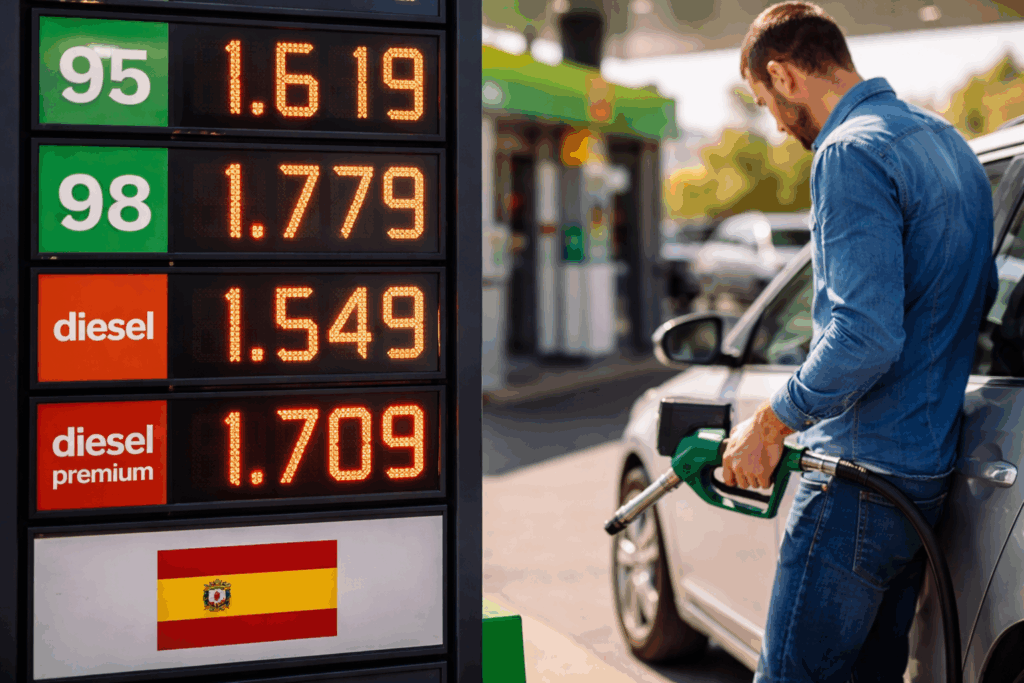
⛽ Lower Fuel Costs
- VAT on petrol, diesel, gas, and electricity reduced from 21% to 10%
- Rough saving: ~30 cents per litre
- Around €20 per tank saved
⚡ Cheaper Electricity
- Electricity tax cut from 5.11% to 0.5%
- 7% generation tax suspended
- Total electricity tax reduction: up to 60%
🏠 Rent & Household Protection
- Temporary rent freeze
- Rental contracts extended up to 2 years
- No energy disconnections for vulnerable households
- Heating subsidy increased to €50

🚜 Support for Key Industries
- 20 cents per litre fuel subsidy for:
- Transport companies
- Farmers
- Fishing sector
- Fertiliser support included
- Energy-heavy industries get 80% discount on electricity tolls
- €300 million in subsidised loans for agri-food and fishing sectors

Why This Is Happening
Global energy prices have surged due to conflict affecting supply routes, particularly around the Strait of Hormuz.
- Gas prices up 60%+
- Fuel up around 50%
- Fertiliser up around 40%
Spain, which relies heavily on imported energy, is directly impacted when global supply chains are disrupted.
The Bigger Picture
This package is designed to support:
- 20 million households
- 3 million businesses
The government has also made it clear:
- Spain will not participate in military operations
- It is pushing for de-escalation
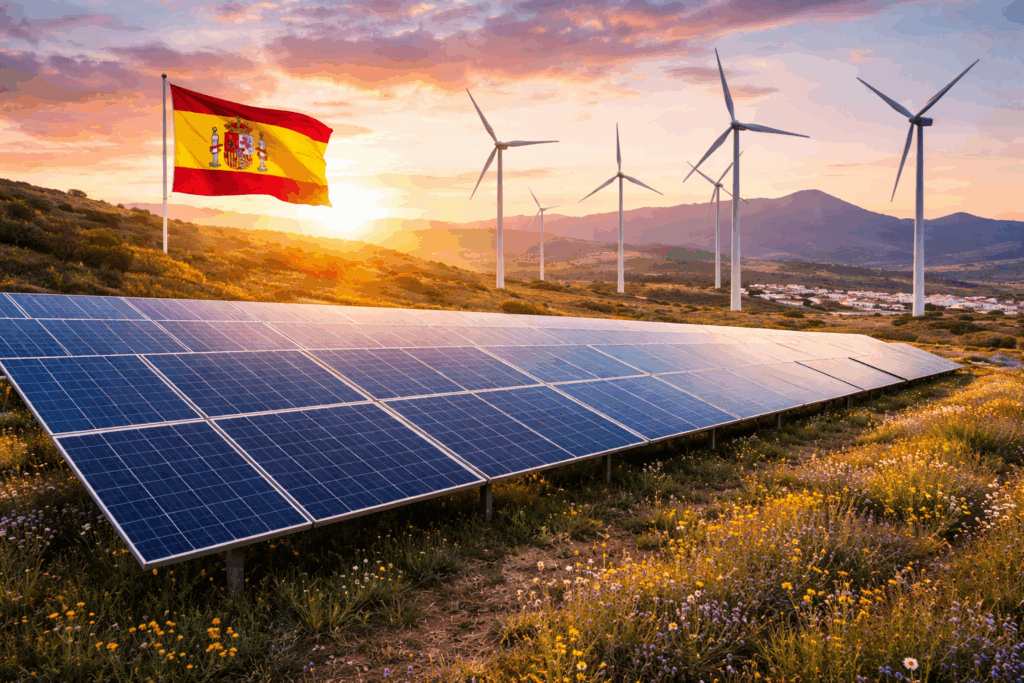
At the same time, the crisis is being used to accelerate Spain’s shift toward renewable energy, reducing future dependence on global supply shocks.
What This Means for You (Living in Spain)
In practical terms:
- Lower fuel bills immediately
- Reduced electricity costs
- More stable rental conditions
- Protection for vulnerable households
This follows a pattern seen during previous crises—Spain tends to respond quickly with direct economic intervention.
Key Takeaways
- €5 billion package announced within weeks of rising prices
- Significant cuts to fuel and electricity taxes
- Direct support for households and key industries
- Clear push toward long-term energy independence
Final Thoughts
Whether you agree with every policy or not, the response shows a government willing to act quickly to protect household finances during global instability.
That approach isn’t universal—but in Spain, it’s becoming consistent.