Summary
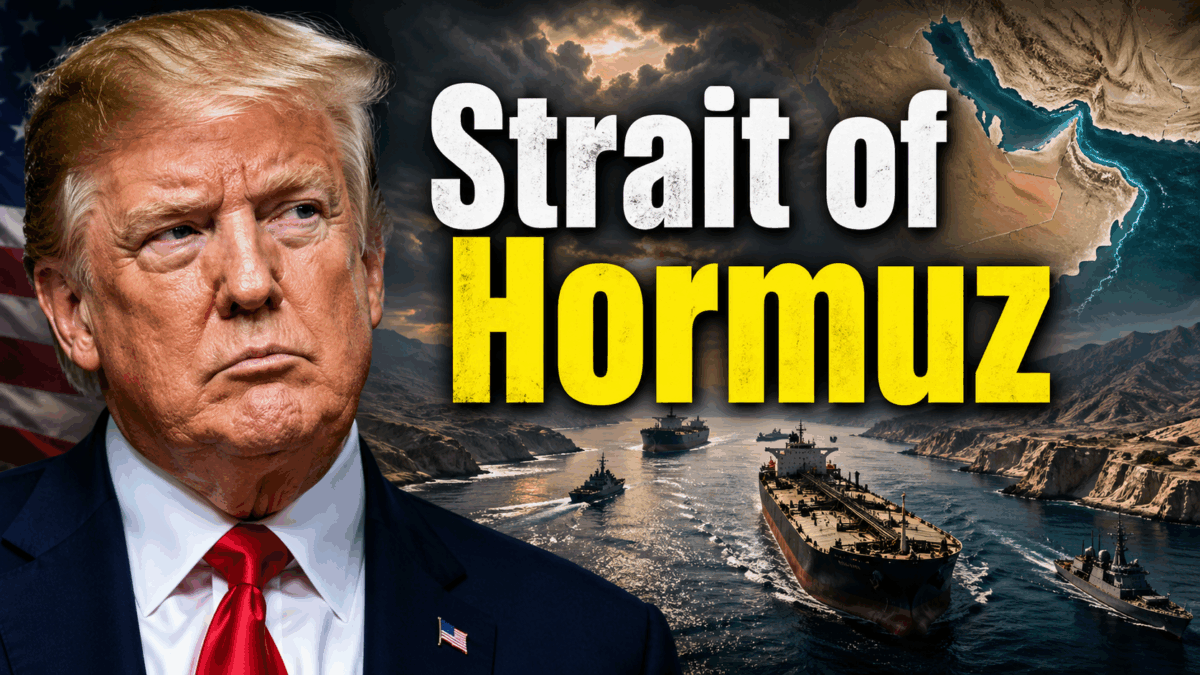
President Donald Trump has reportedly told aides to prepare for a longer maritime pressure campaign against Iran, including the possibility of an extended blockade affecting shipping and oil exports around the Strait of Hormuz.
According to reporting aggregated by Ground News and attributed to the Wall Street Journal, the strategy appears to be aimed at increasing economic pressure on Tehran rather than immediately returning to wider military action.
The issue matters because the Strait of Hormuz is one of the world’s most important energy routes. Any prolonged disruption in the area can quickly affect oil markets, shipping costs, and global economic confidence.
What has reportedly happened?
The reported plan would keep pressure on Iran by restricting maritime activity linked to its ports and oil exports. Ground News reports that Trump rejected an Iranian proposal delivered through Pakistan, because the proposal sought relief from maritime restrictions before moving on to nuclear negotiations.
Reuters also reported that Trump has urged Iran to sign a deal, while Iran has demanded that the blockade be lifted before negotiations can properly move forward.
That leaves the situation in a difficult middle ground: not a full return to open war, but not a diplomatic breakthrough either.
Why the Strait of Hormuz matters
The Strait of Hormuz is a narrow but strategically vital waterway between the Persian Gulf and the Gulf of Oman. It is one of the key routes for oil and gas shipments from the Middle East to the rest of the world.
That is why even the threat of disruption can move markets. Reports of a prolonged blockade have already been linked to a rise in oil prices, with traders and governments watching closely for signs of escalation or compromise.
For ordinary people, this sort of geopolitical pressure can eventually show up in petrol prices, transport costs, airline fuel costs, and wider inflation.
The political risk
For the Trump administration, the reported strategy is a gamble.
A prolonged blockade may be seen as a way to avoid a wider military campaign while still putting heavy pressure on Iran. But the longer it continues, the more likely it is to create political and economic consequences at home and abroad.
Higher fuel prices are never popular with voters. Internationally, shipping disruption can unsettle allies, trading partners, and energy importers who depend on stable routes through the Gulf.
What happens next?
The key question is whether the pressure brings Iran back to the negotiating table, or whether it hardens positions further.
For now, reports suggest that Washington wants to keep squeezing Iran economically, while Tehran wants relief from maritime restrictions before wider negotiations move ahead.
That makes this a story to watch closely, especially if oil prices continue to rise or if shipping disruption spreads beyond Iran-linked routes.
Key takeaways
- Trump has reportedly told aides to prepare for a prolonged blockade strategy linked to Iran and the Strait of Hormuz.
- The aim appears to be sustained economic pressure rather than an immediate return to wider military action.
- Iran reportedly wants maritime restrictions lifted before nuclear negotiations move forward.
- Oil markets have already reacted to the possibility of a longer disruption.
- The longer the situation continues, the greater the risk of knock-on effects for fuel prices, shipping, and global inflation.
Disclaimer
This article is a summary and commentary based on reporting available at the time of writing. The situation is developing and details may change. Readers should check the original sources for the latest updates.
Here’s a better way to read the news: Ground News gives you multiple sides of any news story, from over 50,000 sources across the political spectrum.
Download it here https://ground.news/download and use this referral code 6424436 to get 1 month of free Premium.
Source / Attribution
Source: Ground News
Original report attributed by Ground News to: The Wall Street Journal
Additional context: Reuters reporting on the same developing story